Bathroom remodeling is changing. Homeowners are no longer looking only for a bathroom that looks new. They want a space that is comfortable, functional, easy to maintain, and designed to last.
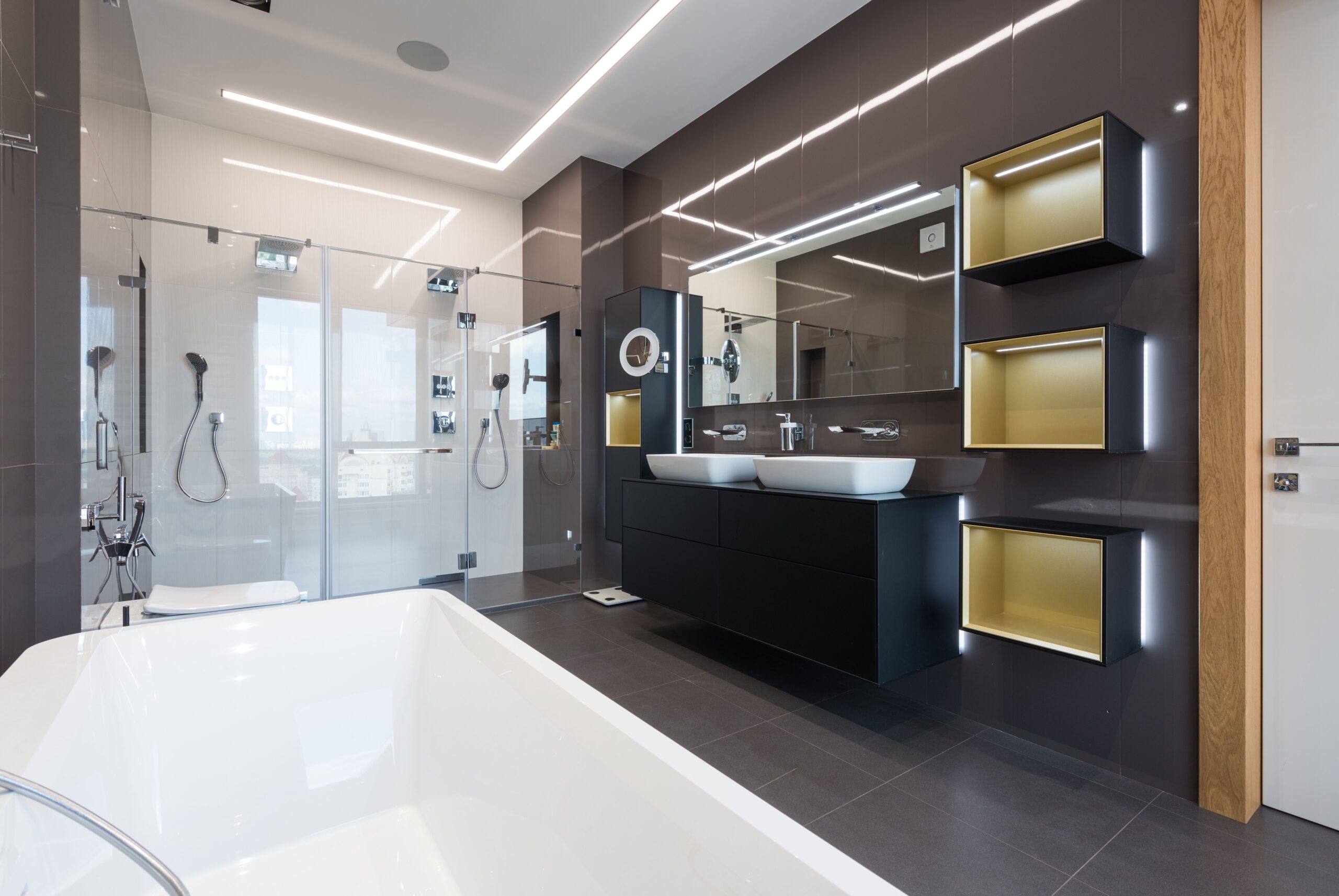
In 2026, bathroom design is moving toward larger showers, natural materials, better lighting, improved storage, warmer colors, and features that make everyday routines more comfortable.
Industry research also shows continued interest in larger walk-in showers, spa-like shower designs, natural lighting, and heated floors. The American Institute of Architects' 2026 Home Design Trends Survey continues to track these changes in kitchen and bathroom design.For homeowners in Aurora, Naperville, Geneva, Hoffman Estates, Plainfield, and the surrounding Chicago suburbs, these trends can provide inspiration—but the best bathroom is not necessarily the one with the most expensive or fashionable features.
The best remodel is one that fits your home, your lifestyle, and your budget.
Here are seven bathroom remodeling trends worth considering in 2026.
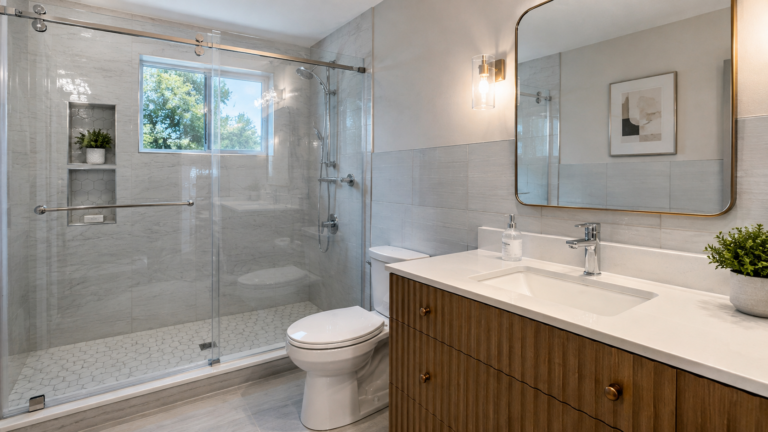
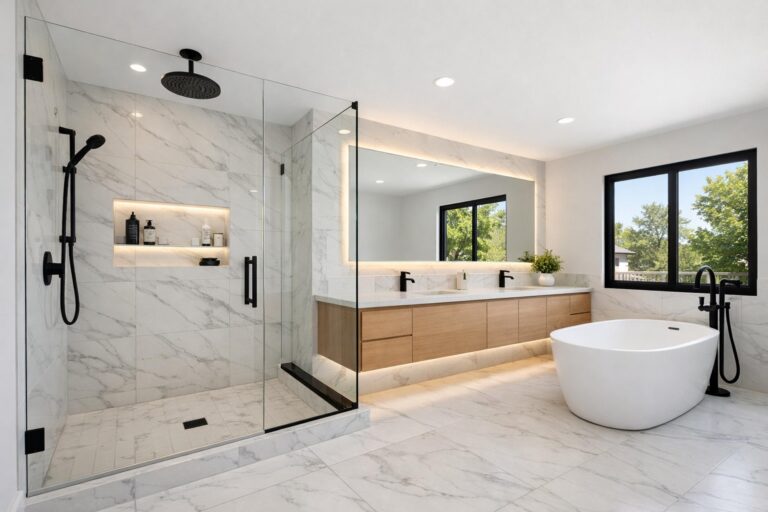
1. Larger Walk-In Showers
One of the strongest trends in bathroom remodeling is the move toward larger, more comfortable showers.
Many homeowners are replacing traditional tub-and-shower combinations with larger walk-in showers, especially in primary bathrooms.
A larger shower can provide:
- More comfortable space
- Easier access
- Built-in niches for shampoo and toiletries
- Seating or benches
- Multiple shower fixtures
- Large-format tile
- A cleaner, more modern appearance
The AIA’s bathroom design research shows continued interest in doorless showers, larger walk-in showers, and spa-like shower designs.
However, removing a bathtub is not always the right decision.
If your home has only one bathtub, keeping it may make more sense—especially for families with children or homeowners who want to preserve flexibility for future buyers.
A good rule:
If you have multiple bathrooms, you can usually be more flexible about converting one bathroom from a tub to a walk-in shower.
The right decision depends on the layout and the overall needs of the home.
2. Large-Format Tile and Fewer Grout Lines
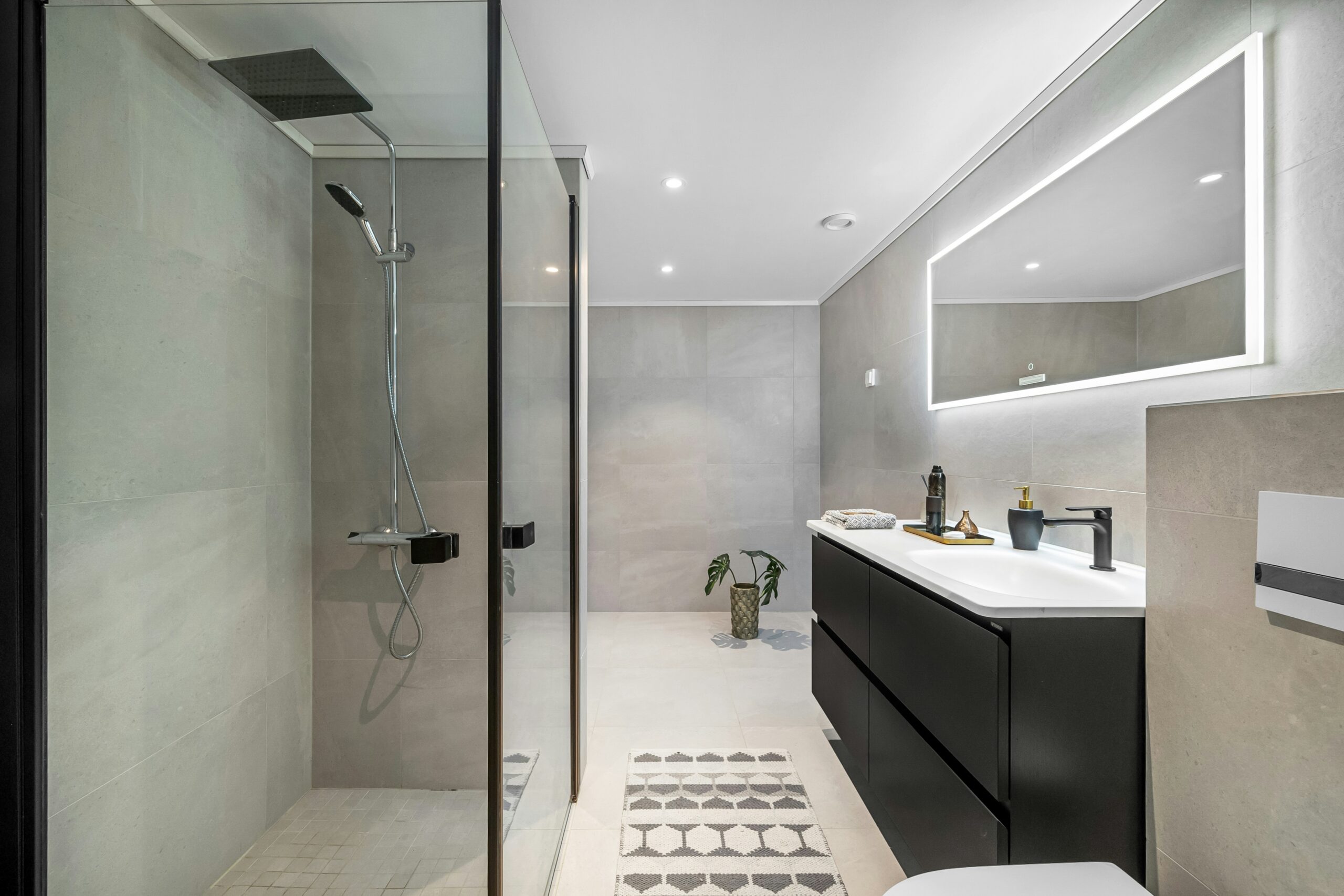
Large-format porcelain and ceramic tile continues to be popular in modern bathrooms.
Instead of using many small tiles, homeowners are choosing larger tiles for shower walls and bathroom floors.
For example:
- 12″ × 24″
- 24″ × 48″
- Large marble-look porcelain
- Large-format stone-look tile
One advantage is the visual effect.
Larger tiles can make a bathroom appear more spacious because there are fewer grout lines interrupting the surface.
They can also create a more contemporary appearance, particularly when the same or complementary tile is used throughout the shower.
Large-format porcelain surfaces are also increasingly being used to create a higher-end appearance while maintaining practical durability.
But bigger tile isn’t automatically better.
Large-format tile requires careful planning and installation.
The walls need to be properly prepared, the layout needs to be planned before installation, and the substrate must be suitable for the tile being installed.
That’s why tile selection should happen before construction begins, not after the demolition is already underway.
3. Shower Niches and Built-In Storage
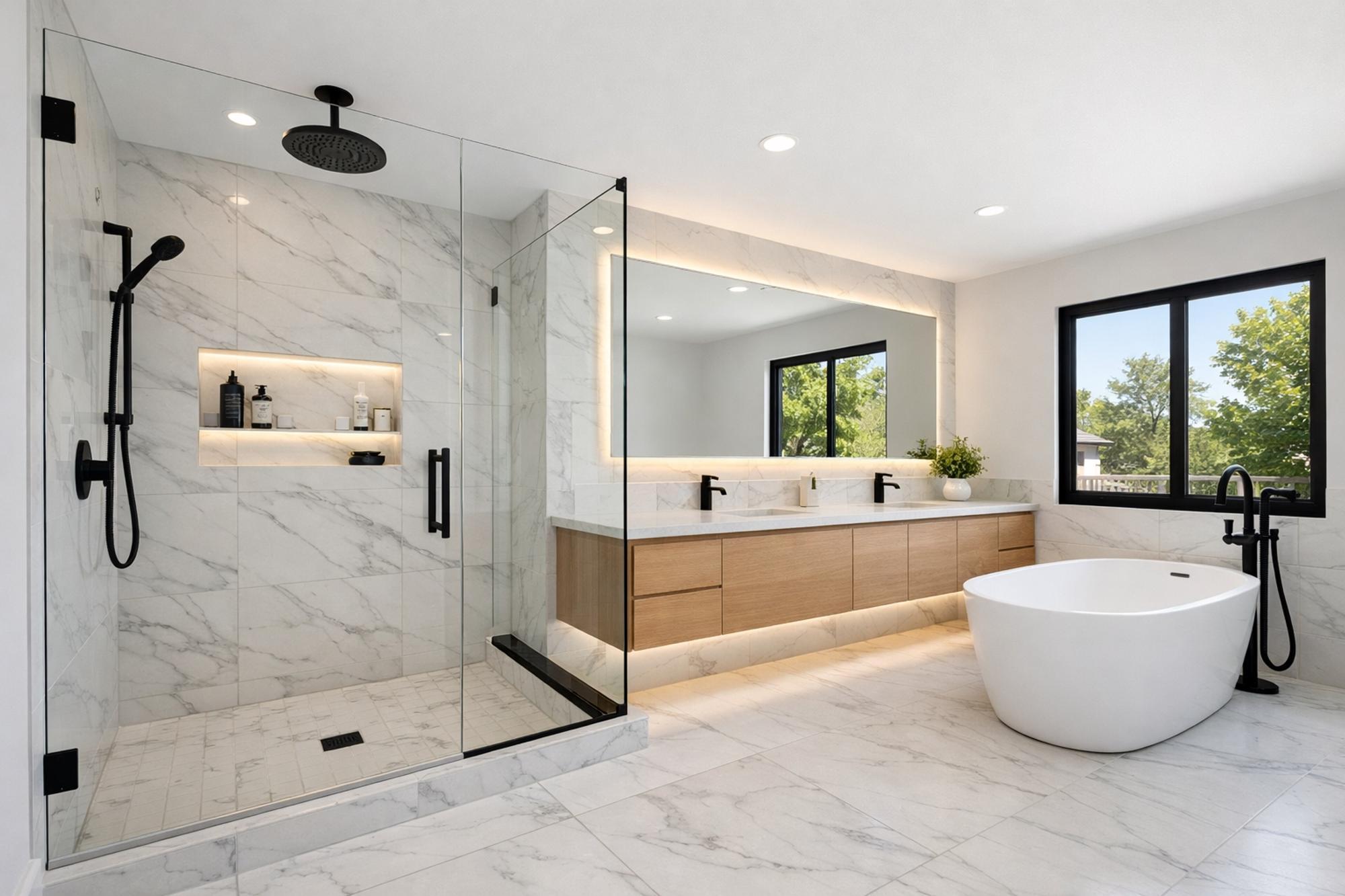
A shower niche is a relatively small feature that can make a significant difference.
Instead of keeping bottles on the shower floor or using a hanging organizer, a recessed niche creates dedicated storage inside the shower.
A well-designed niche can be used for:
- Shampoo and conditioner
- Soap
- Shaving products
- Decorative items
- Additional bathroom storage
It can also become an important design element.
For example, a niche can use a contrasting mosaic tile, decorative trim, or a stone shelf.
This is something we see frequently in bathroom remodeling because it combines function and design.
A bathroom should not only look good when it is photographed. It should work well every morning when your family actually uses it.
4. Warm, Natural Colors Instead of Cold Gray
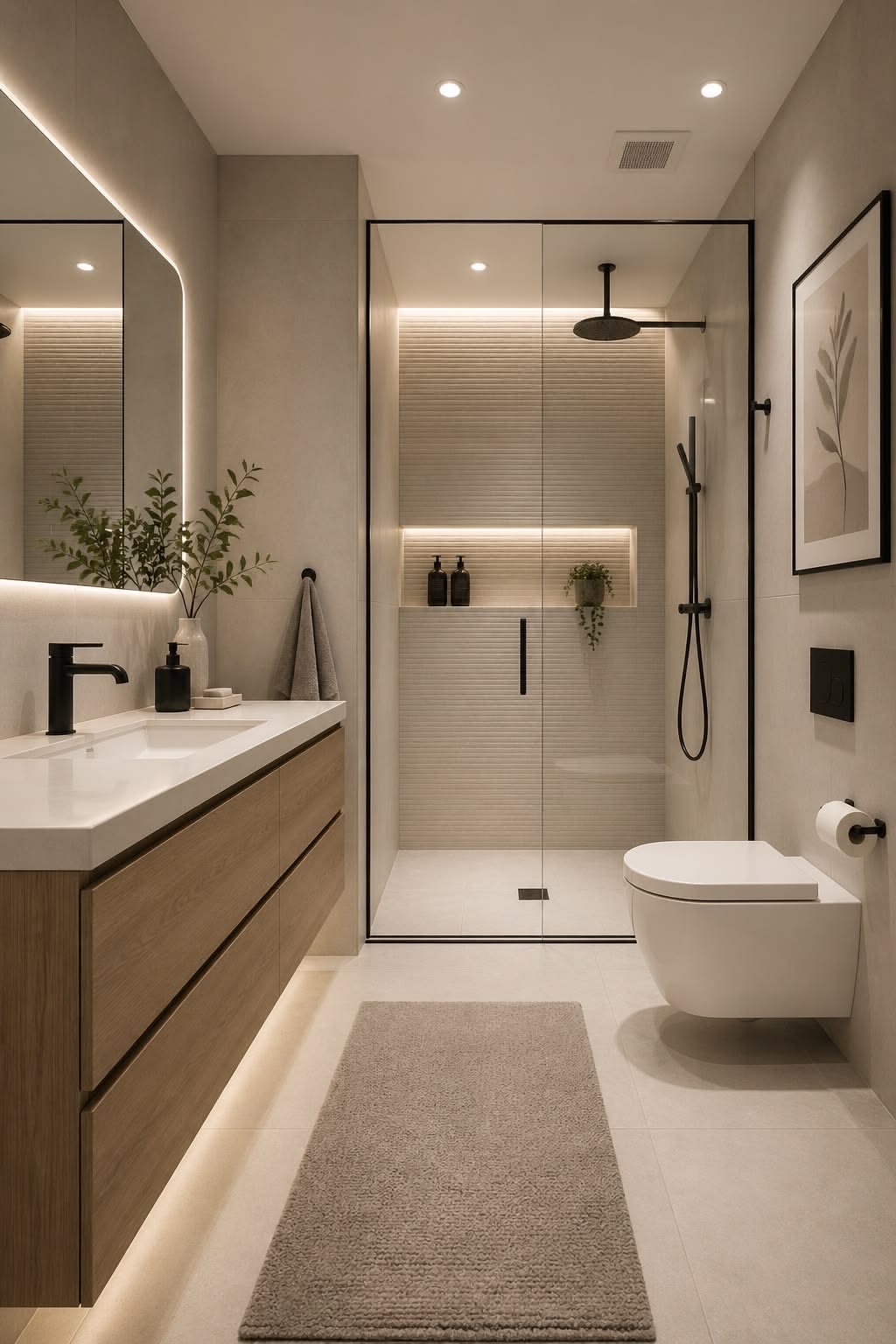
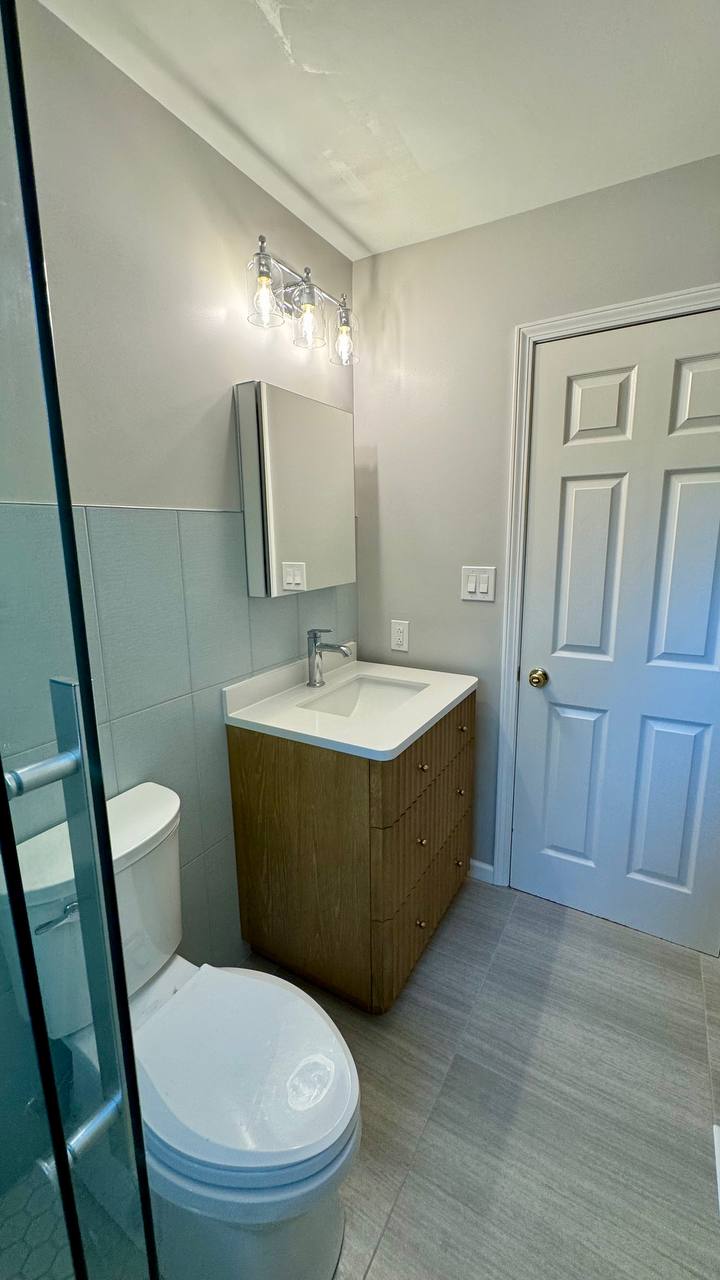
The all-gray bathroom that was extremely popular for years is gradually giving way to warmer and more natural color palettes.
In 2026, homeowners are increasingly interested in colors and materials that create a more comfortable atmosphere:
- Warm white
- Beige
- Taupe
- Soft green
- Natural wood tones
- Warm stone colors
- Earth-inspired accents
The goal isn’t necessarily to make the bathroom colorful.
Instead, designers are combining neutral backgrounds with texture, natural materials, wood-look finishes, and warmer accents.
This is particularly useful in Chicago-area homes, where bathrooms can sometimes have limited natural light.
A warmer palette can make the room feel more comfortable without requiring a major architectural change.
Our recommendation
Don’t choose a color simply because it is “trending.”
Tile and bathroom finishes can remain in your home for many years.
A timeless neutral tile combined with a modern vanity, lighting, hardware, and accessories gives you more flexibility than an extremely specific design that may look dated in a few years.
5. Better Bathroom Lighting and LED Mirrors
Lighting is becoming a much more important part of bathroom remodeling.
A single ceiling light is often not enough.
A well-designed bathroom can use several layers of lighting:
General lighting
Provides overall illumination.
Vanity lighting
Provides better lighting for shaving, makeup, grooming, and everyday tasks.
Accent lighting
Can highlight a shower niche, architectural feature, or decorative wall.
Mirror lighting
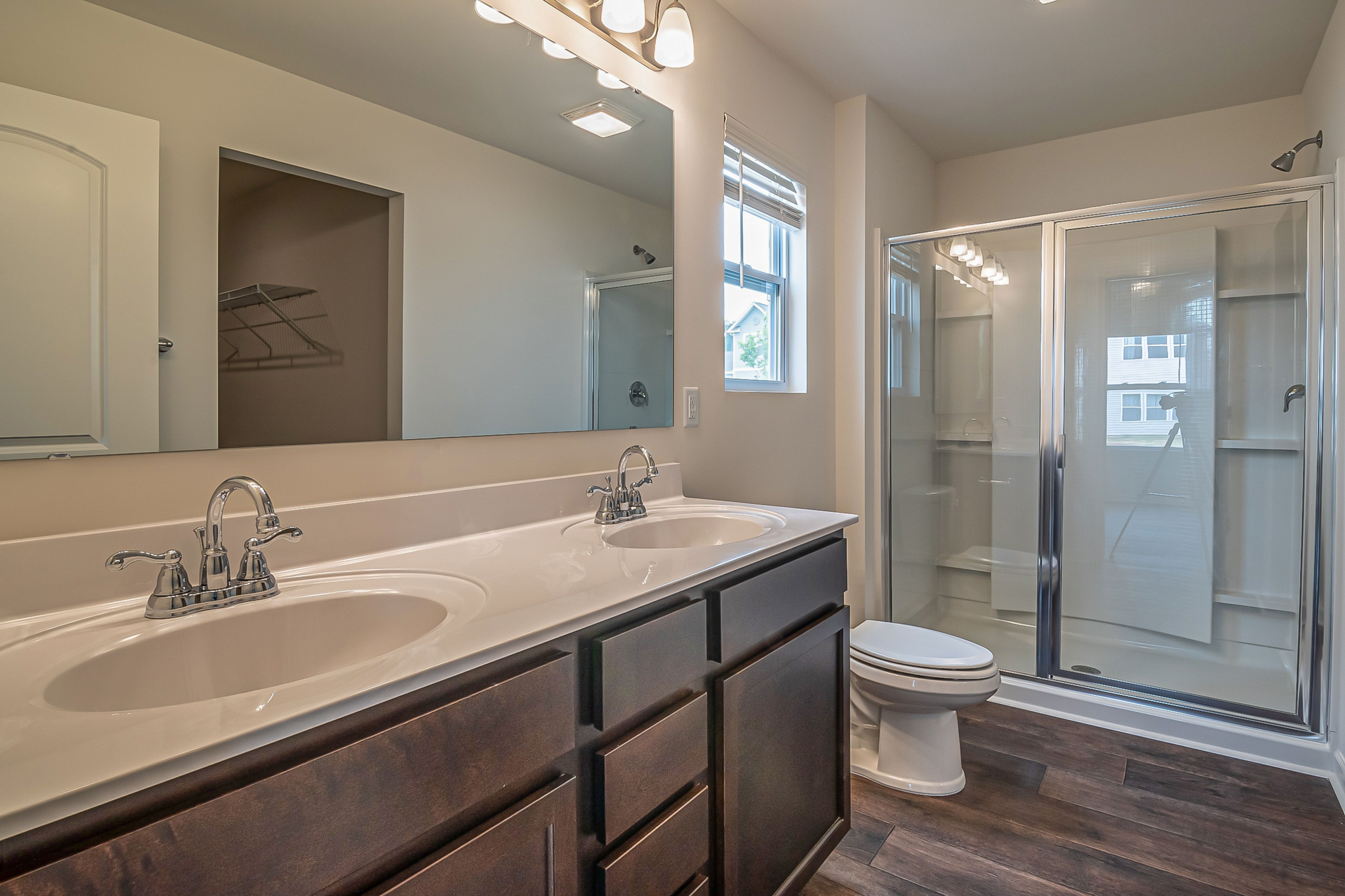
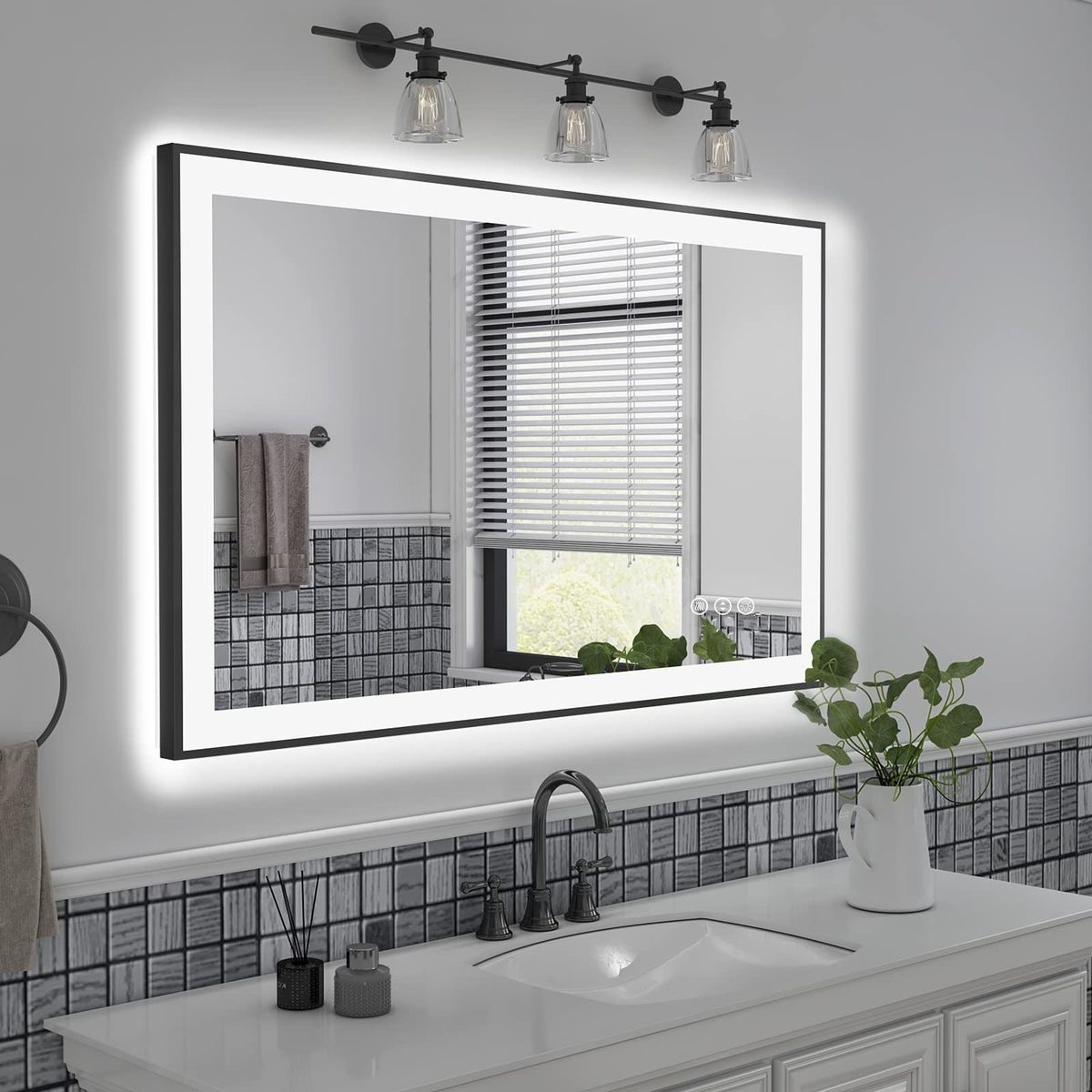
Backlit or integrated LED mirrors can provide both functional and decorative lighting.
Modern bathroom designs increasingly incorporate integrated lighting and technology into mirrors and vanities.
But there is another important consideration:
Electrical planning should happen before the walls are closed.
If you want:
- A lighted mirror
- New vanity lighting
- Additional outlets
- A new exhaust fan
- Heated floors
- Smart bathroom features
these requirements should be considered during the planning and rough-in stages.
Adding electrical features after tile and drywall are finished can be much more difficult and expensive.
6. Heated Floors and Comfort-Focused Features
Bathroom floors can be cold—especially during Chicago winters.
That’s one reason radiant heated floors continue to attract homeowners.
Heated flooring can be installed under certain tile flooring systems and provides warmth directly through the floor surface.
AIA research has shown increasing interest in radiant heated floors, while 2026 bathroom-industry research continues to emphasize comfort, wellness, and practical functionality.
Other comfort-focused bathroom features include:
- Built-in shower benches
- Handheld shower fixtures
- Multiple shower heads
- Better ventilation
- Larger showers
- Improved storage
- Heated towel features
- Smart shower controls
You don’t need all of these features.
In fact, adding too many features can make a bathroom unnecessarily expensive.
The better approach is to identify the features that will actually improve your daily routine.
7. Bathrooms Designed for Long-Term Use
One of the most important trends in 2026 is not really a style trend.
It is better functionality.
Homeowners are increasingly thinking about how a bathroom will work not only today, but several years from now.
That can mean:
- Wider shower entrances
- Walk-in or curbless shower designs
- Built-in seating
- Better lighting
- Easy-to-reach storage
- Durable flooring
- Proper ventilation
- More accessible layouts
The NKBA’s 2026 bath trends research also points toward larger bathroom footprints, wellness features, universal-design considerations, and practical storage.
This doesn’t mean every bathroom needs to look like an accessibility-focused bathroom.
Instead, good remodeling can quietly incorporate features that make the space easier and more comfortable to use.
8. Which Bathroom Trends Are Worth the Investment?
Not every trend deserves a place in your bathroom.
Some design features are relatively easy to change later:
- Paint
- Mirrors
- Hardware
- Lighting fixtures
- Accessories
Other decisions are much more difficult to change:
- Shower layout
- Plumbing locations
- Electrical wiring
- Tile
- Flooring
- Shower waterproofing
- Wall locations
- Built-in niches
That’s why we recommend spending more time planning the permanent parts of the bathroom and less time worrying about short-lived design trends.
A good bathroom remodel should balance three things:
1. Functionality
Does the bathroom work well for your family?
2. Durability
Will the materials and installation hold up to daily use?
3. Design
Does the finished space look modern without becoming dated too quickly?
When those three things work together, the result is much more valuable than simply following the latest trend.
Planning a Bathroom Remodel in the Chicago Suburbs
Before starting a bathroom renovation, homeowners should think about more than tile and paint.
A typical bathroom remodeling project may involve:
- Demolition
- Plumbing modifications
- Electrical work
- Ventilation
- Subfloor repairs
- Wall preparation
- Waterproofing
- Cement board or other approved tile substrate
- Tile installation
- Grout and silicone
- Vanity and toilet installation
- Lighting
- Painting
- Trim and baseboards
- Final inspections where required
The exact requirements depend on the project and the municipality.
For example, a bathroom renovation in Aurora may have different permitting and inspection requirements than a project in Geneva or Hoffman Estates.
That is why it is important to determine the scope and local requirements before construction begins.
9. Final Thoughts: Don't Remodel for Trends Alone
Bathroom trends are useful for inspiration, but they shouldn’t be the only reason you choose a particular design.
A bathroom remodel is a significant investment.
Instead of asking:
“What is popular in 2026?”
a better question is:
“What will make this bathroom work better for us for the next 10–15 years?”
A larger shower may be a better investment than an expensive decorative feature.
Better lighting may improve the room more than a trendy color.
A properly designed niche may be more useful every day than a complicated decorative wall.
And high-quality waterproofing, tile installation, plumbing, electrical work, and ventilation will always matter more than what’s currently trending on social media.
Planning a bathroom remodel in Aurora, Naperville, Geneva, Hoffman Estates, Plainfield, or a nearby Chicago suburb?